
How to Use a Rice Cooker: Cup, Rinse, Water Line
How to use a rice cooker step by step: the included cup, rinsing, the water line, how long it takes and how long rice can stay on keep warm.
Short answer: Here is how to use a rice cooker: measure the rice with the cup that came with it, rinse it if your maker recommends it, add water up to the marked line for your rice type, close the lid, choose a setting and let the cycle finish. Then serve it or keep it warm within the limit in your manual. The mistake to avoid is treating the included cup as a US cup. Zojirushi's is about 6 ounces, or about 3/4 of a US cup.
On this page
Short answer: Here is how to use a rice cooker: measure the rice with the cup that came with it, rinse it if your maker recommends it, add water up to the marked line for your rice type, close the lid, choose a setting and let the cycle finish. Then serve it or keep it warm within the limit in your manual. The mistake to avoid is treating the included cup as a US cup. Zojirushi's is about 6 ounces, or about 3/4 of a US cup.

How to use a rice cooker, step by step


- Measure with the included cup. Zojirushi says to fill rice above the brim and level it off. Rice cooker capacity is stated in these small cups, so a "5.5-cup" Zojirushi holds 5.5 of its small cups of dry short grain white rice. Zojirushi says one of those cups of raw rice doubles in volume once cooked.
- Rinse the rice if your maker recommends it. Zojirushi does, while Cosori treats rinsing jasmine rice as optional. For Zojirushi's method, cover the rice with lots of cold water and pour it off right away. Stir the rice in a circle about 30 times with no water, then pour in water and drain. Repeat 2 to 3 times. Zojirushi says this helps remove excess starch for fluffier rice and helps prevent thin starch layers forming in the pan. If you own a Zojirushi NS-RPC or NHS model, rinse in a separate bowl instead.
- Add water. Use the water level in the inner pan that matches your rice type and cup count. Zojirushi's brown rice recipe says to make sure the rice is completely submerged and leveled so it cooks evenly.
- Load it. Zojirushi's recipe says to wipe excess water off the outside of the pan, put it in the cooker and close the lid securely.
- Choose a setting and start. Pick the setting for your rice, such as white or brown.
- Fluff and serve. Cosori's brown rice recipe ends with fluffing the rice with a rice paddle.
Rice cooker water ratio if your pot has no matching line
The marked line comes first. If there is no line for your rice, these are the makers' starting points. Use one measure for both the rice and the water.
| Rice | Maker's starting ratio (rice : water) | Source |
|---|---|---|
| Jasmine | 1 : 1 to 1.25, starting at 1 : 1.1 to 1.2 | Cosori |
| Brown, no brown setting | 1 : 1.5 | Zojirushi |
Cosori says to slightly reduce the water if you rinsed jasmine rice thoroughly. Zojirushi says to slightly increase the water if you want softer brown rice.
How long does a rice cooker take?
It depends on the amount, the rice and the model. Zojirushi says its Micom cookers soak the rice before cooking and steam it afterward, so they may take longer than a pot on the stove. Its more advanced models have QUICK cycles that cut cooking time by up to 20 minutes. Check your manual for the exact time.
How long can rice stay on keep warm?
Follow your manual. Zojirushi says 12 hours is the maximum for most of its rice cookers, and it does not advise going past the time in your instruction manual because it cannot guarantee freshness beyond that point.
Common rice cooker mistakes
- Measuring with a US cup. Zojirushi's included cup is smaller, so a US cup throws off the amount of rice against its marked lines.
- Skipping the water level check. Too much water can make jasmine rice too soft, and Cosori says overly sticky rice usually points to too much water, overcooking, excess starch or too little resting time.
- Rinsing every rice the same way. Zojirushi calls for a single quick rinse for brown rice in its brown rice recipe, and Cosori treats rinsing jasmine rice as optional, since some cooks skip it to keep more aroma.
- Using the dishwasher. Zojirushi says none of its rice cooker parts or accessories should go in the dishwasher.
Next step: Find the cup that came with your cooker and check the water lines inside the pan before your next batch.
FAQ
Do you have to rinse rice before using a rice cooker?
Zojirushi recommends it for fluffier rice and fewer starch layers. Cosori calls it optional for jasmine rice and says both methods work, depending on the texture you prefer.
Is one rice cooker cup the same as one US cup?
No, on a Zojirushi. Its cup is about 6 ounces, or about 3/4 of a US cup. Use the cup that came with your cooker.
Can you cook brown rice in a rice cooker without a brown setting?
Yes. Zojirushi says to use 1-1/2 times as much water as rice, measured with the same cup.
How we researched this guide
We read Zojirushi's rice cooker FAQ and brown rice recipe, and Cosori's jasmine rice guide and brown rice recipe, on November 7, 2026. We did not cook with these machines. Settings and water marks differ by model, so your manual comes first.
Sources
More from KitchenCog
Zojirushi Neuro Fuzzy Rice Cooker Warmer: Is 5.5 Cups Enough?
The US Premium White NS-ZCC10WZ is worth considering for households whose usual batches fit its rice-specific limits. Its 5.5-cup capacity uses a small uncooked-rice measure, and the white-rice maximum should not be applied to brown rice or porridge.
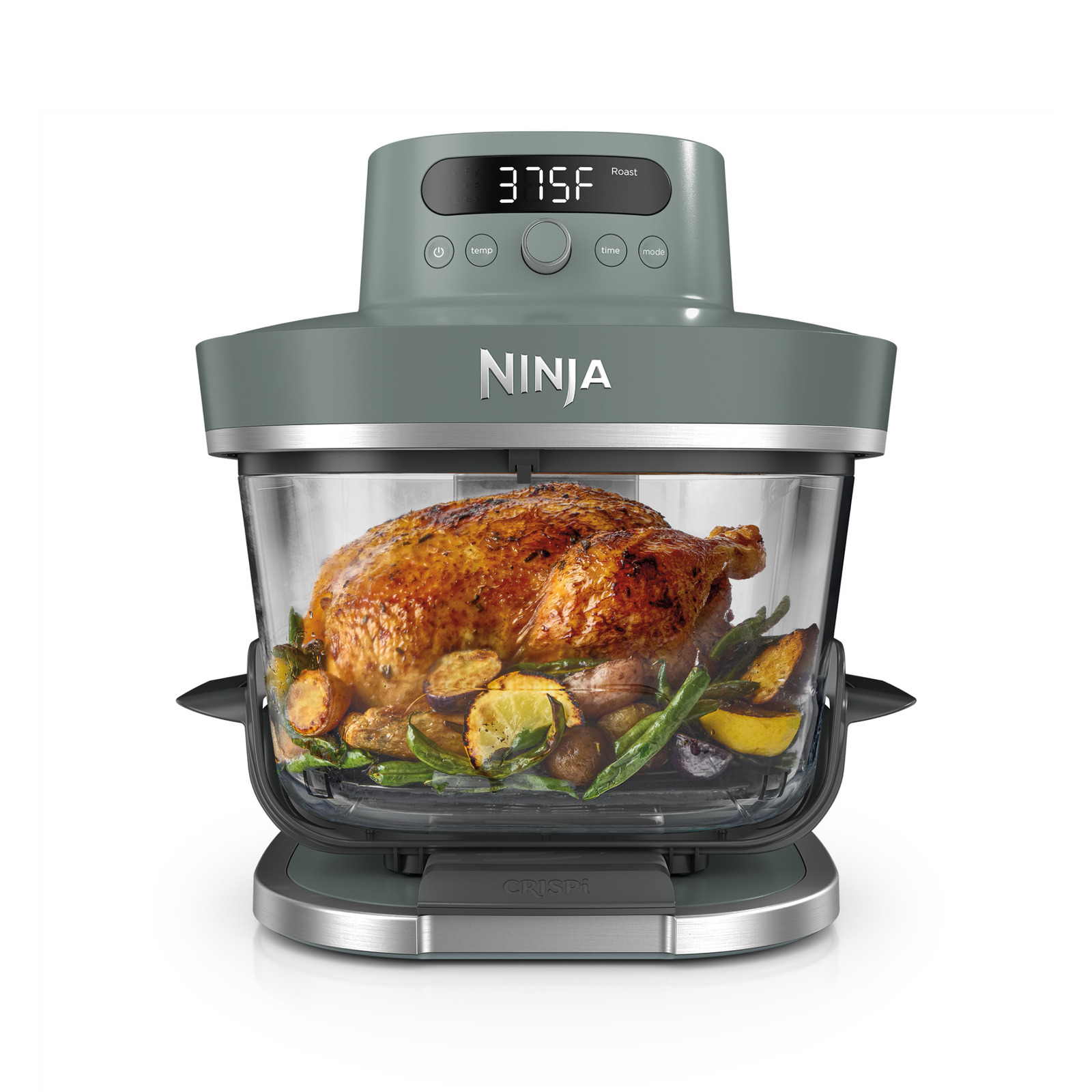
Glass air fryer fit: Ninja Crispi Pro AS101
The Ninja Crispi Pro AS101 suits cooks who want interchangeable glass containers that also hold leftovers. Its included small and large vessels offer flexibility, but the separate middle size, nonstick inserts and countertop commitment deserve attention before you choose it.
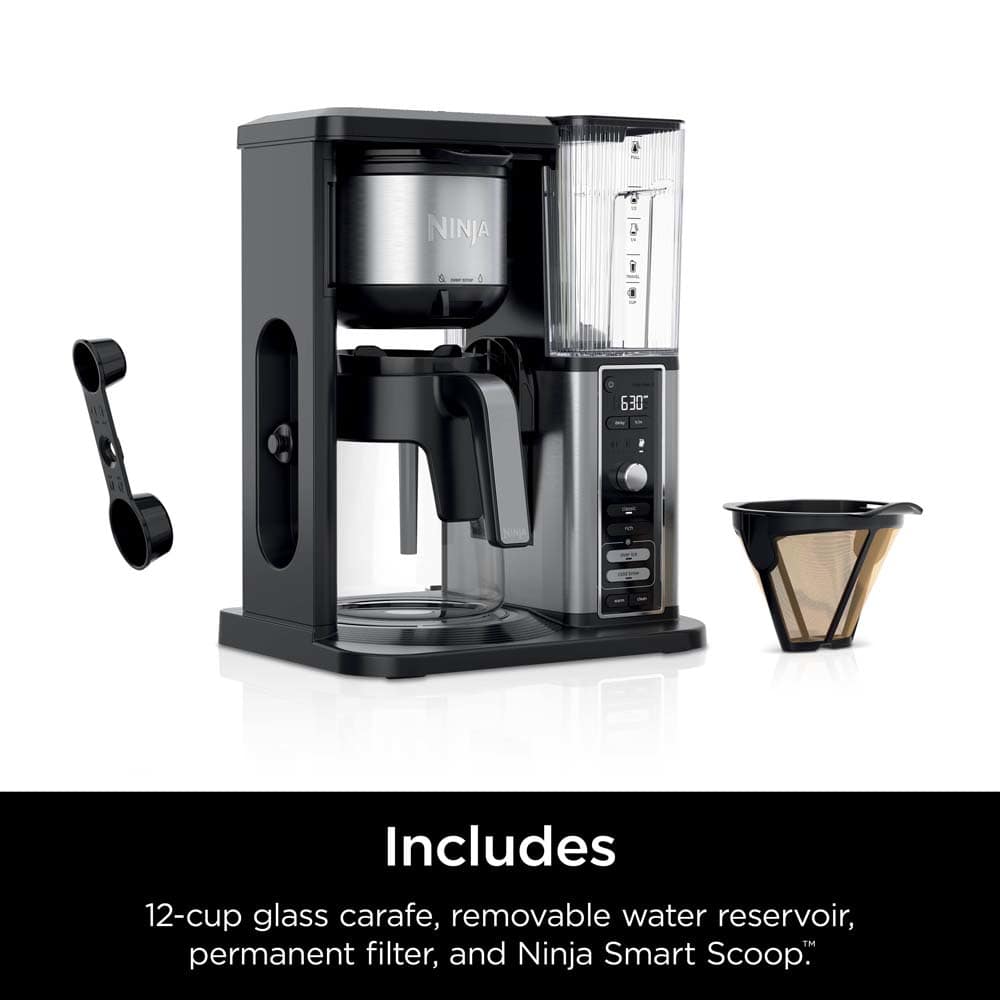
Ninja Coffee Maker CM371: Which Brew Fits Your Mug?
The black Ninja CM371 is worth considering for its glass carafe, permanent filter, and four brew styles. We would choose the Ninja GP161 instead when documented support for both grounds and pods is the deciding requirement.